
An IP address is one of the basic pieces of information that makes network communication possible. When a server sends a packet to another system, the

SSH keys are one of the safest and most practical ways to access a remote server. Instead of sending a reusable password, your computer proves that it

A Linux server can boot successfully, accept SSH connections, and still be unready for production. A forgotten firewall rule, an almost-full filesystem
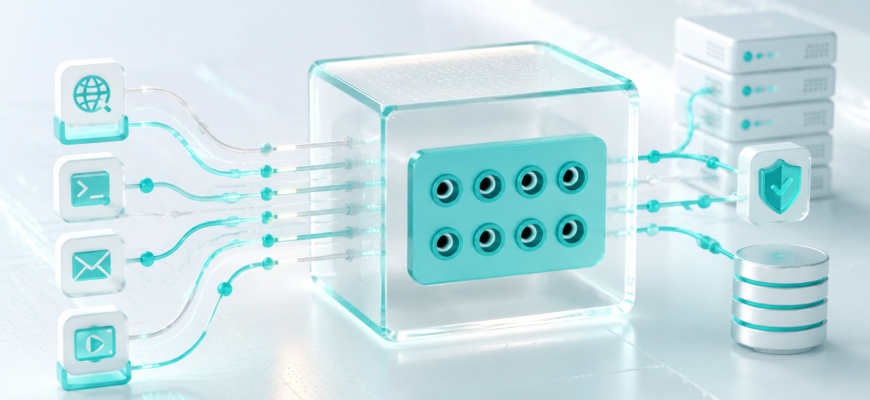
A server can have one IP address and still run a website, SSH, DNS, a database, and many other network services at the same time. How does incoming traffic

A server can have fast CPUs, plenty of RAM, NVMe storage, and a gigabit network connection — and still feel slow from another location. The missing piece
SERVER BASICS · FOUNDATION LESSON A server is a computer or software system that provides a service to other computers. That definition is simple, but

🌐 Networking & Security · Beginner Lesson You find two VPS plans. Both have 4 vCPU, 8 GB RAM, NVMe storage, and a 1 Gbps network port.
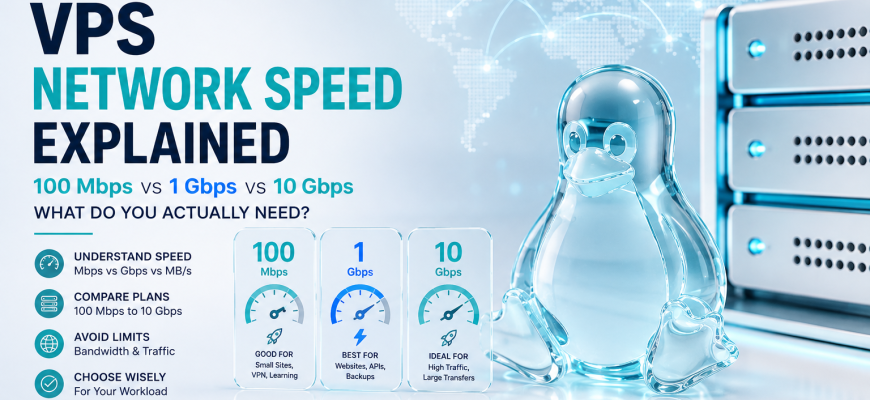
NETWORKING & SECURITY · LESSON You open a VPS pricing page and see three offers: 100 Mbps, 1 Gbps, and maybe even 10 Gbps. The natural reaction is
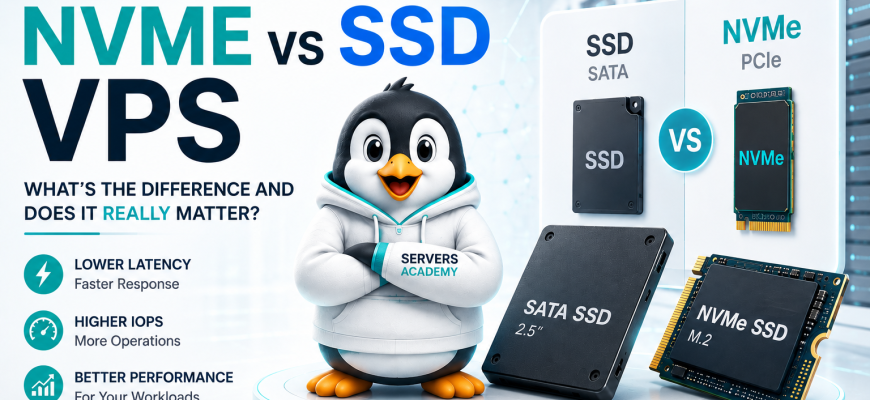
When you compare VPS plans, storage is often reduced to a single marketing label: SSD or NVMe. NVMe sounds newer, faster, and more expensive — so it must
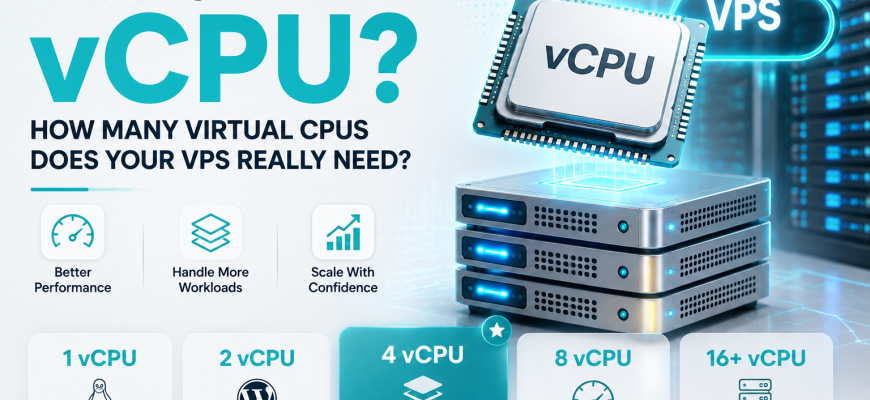
When you choose a VPS, one of the first specifications you see is usually 1 vCPU, 2 vCPU, 4 vCPU, or 8 vCPU. At first glance, the logic seems obvious